
-
Models
-
All-New L200
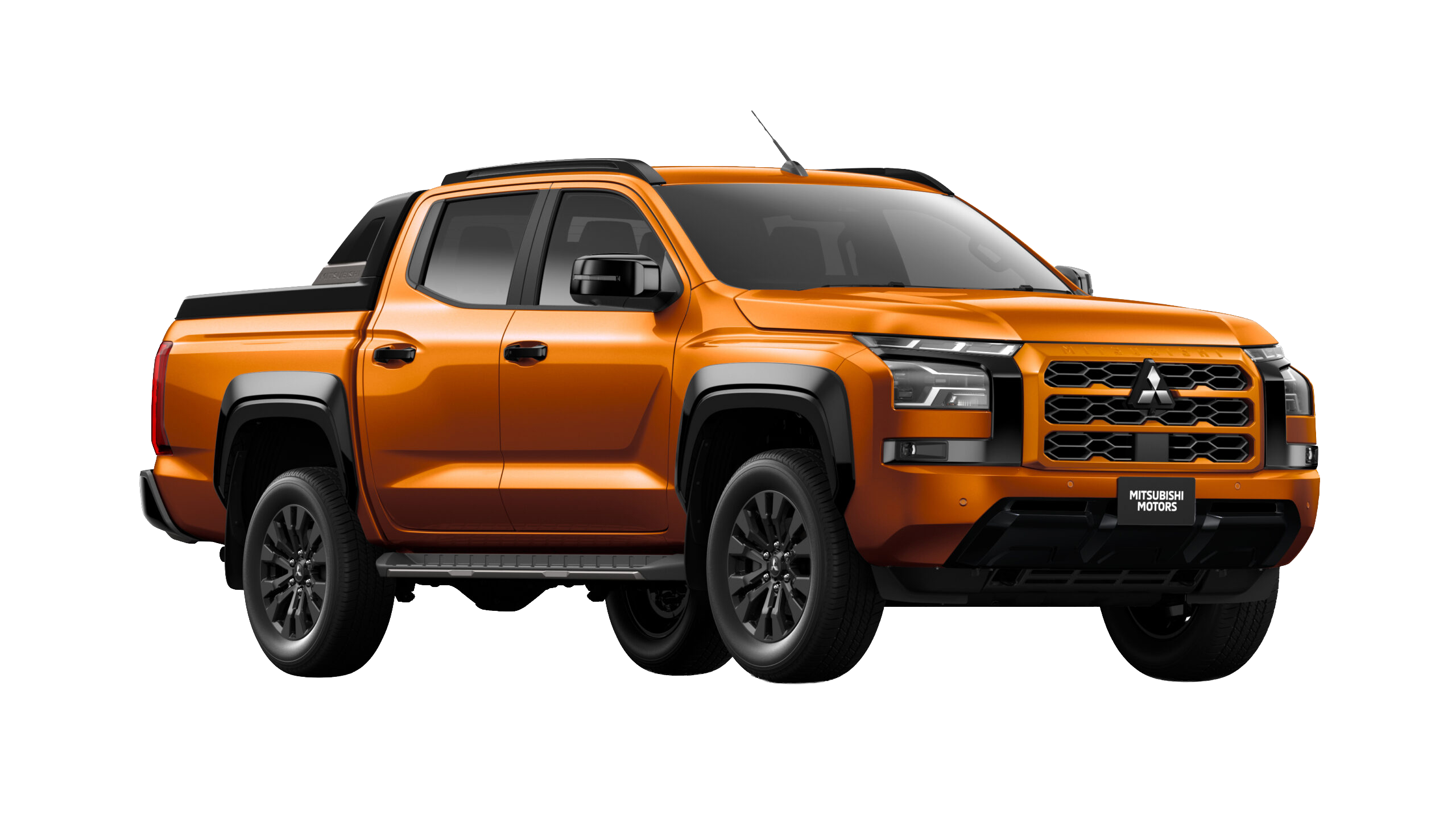
Mitsubishi L200
An icon of the UK pickup market for over two decades, the all-new L200 builds on that legacy with a bold new design, enhanced capability, and smarter technology throughout.
-
All-New Outlander
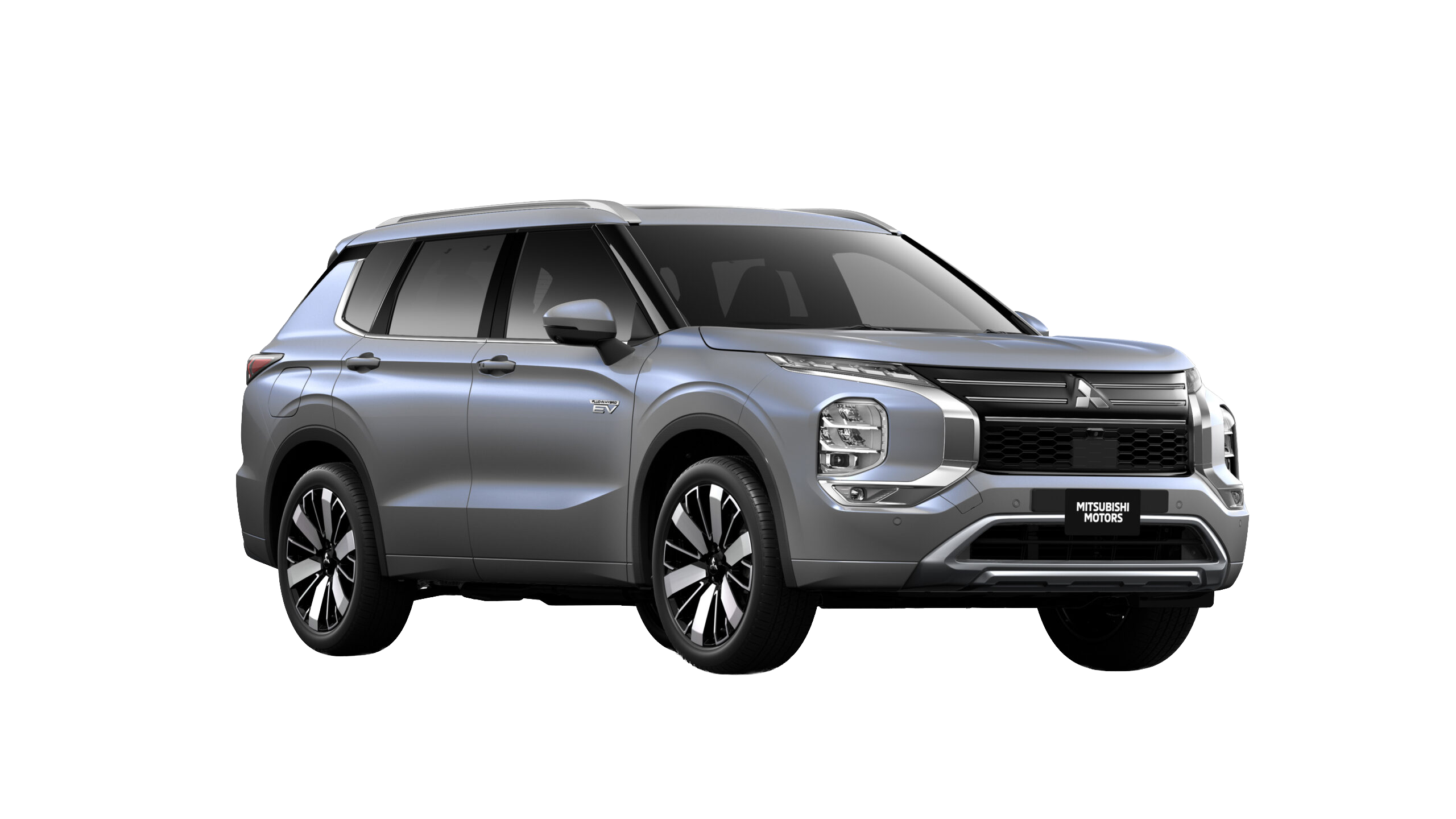
Mitsubishi Outlander PHEV
The Outlander PHEV is the ultimate SUV, combining all the versatility of a large family car with the ultra low carbon footprint that’s possible with a plug-in hybrid.
-
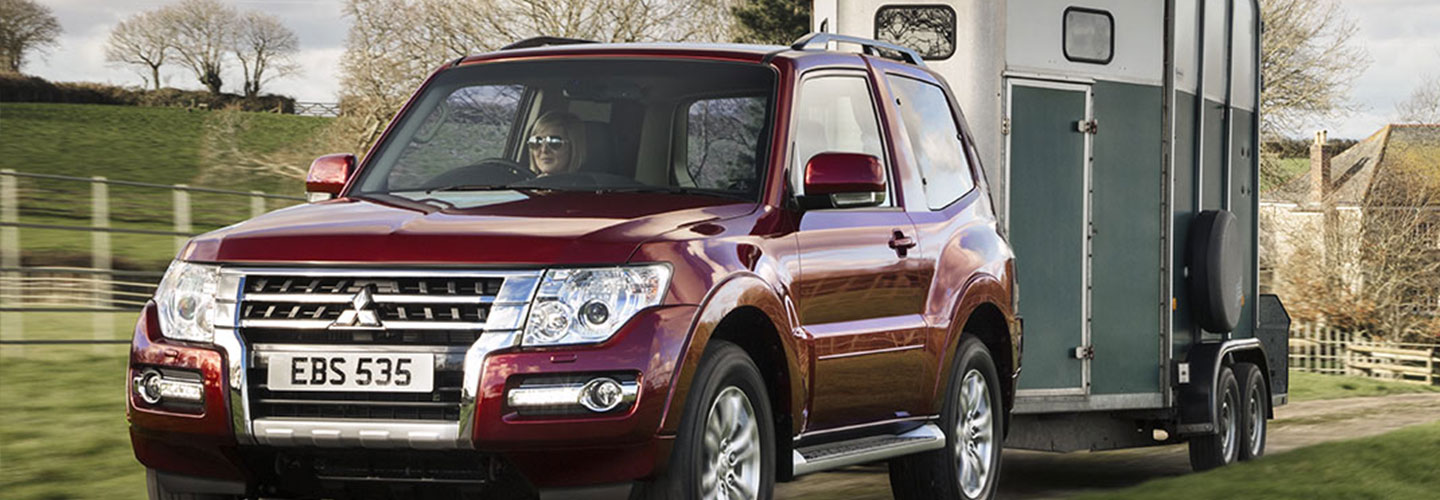
Open up a whole new world of exploration and practicality
It’s almost always necessary to do your homework before setting off to tow something. You must ensure your vehicle is up to the task, know the law and how not to break it and take the time to practice driving with your load.
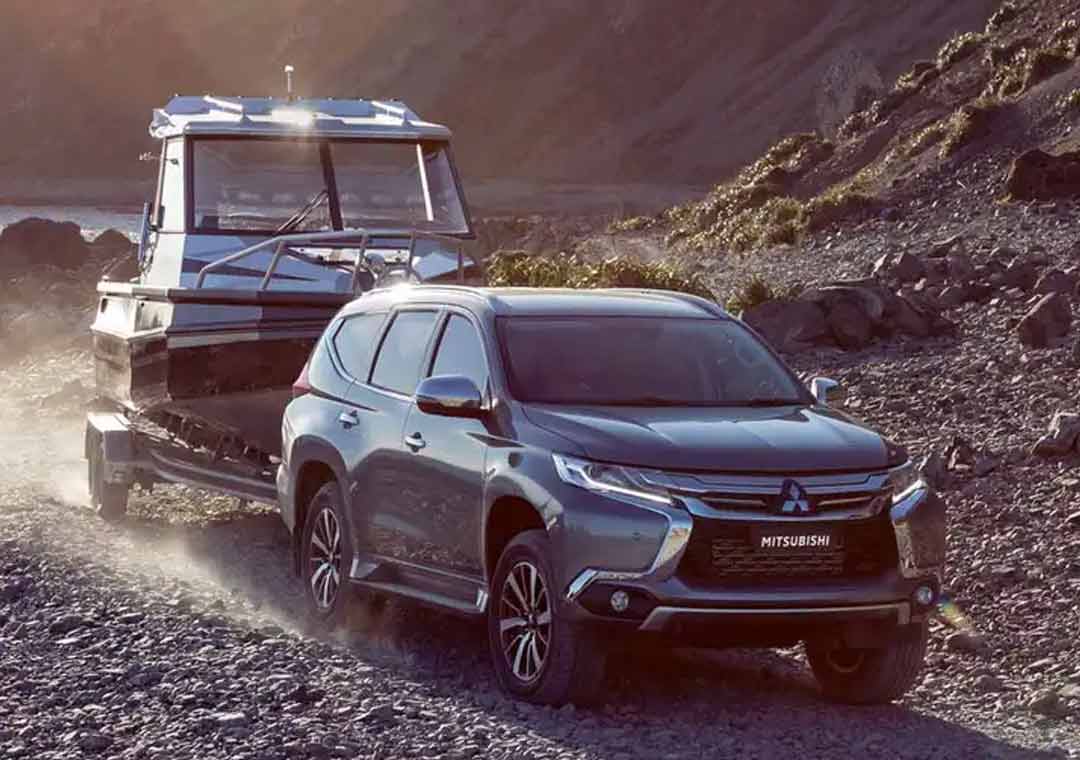
Getting started with towing
Ensure your vehicle can handle the trailer. Every vehicle has a towing capacity that you must not exceed.
Check the Gross Trailer Weight (that’s the trailer + the load) against the manufacturer’s stated Maximum Towing Capacity for your vehicle.
The engine of your vehicle also needs to be powerful enough to cope with the extra load, particularly when climbing hills.
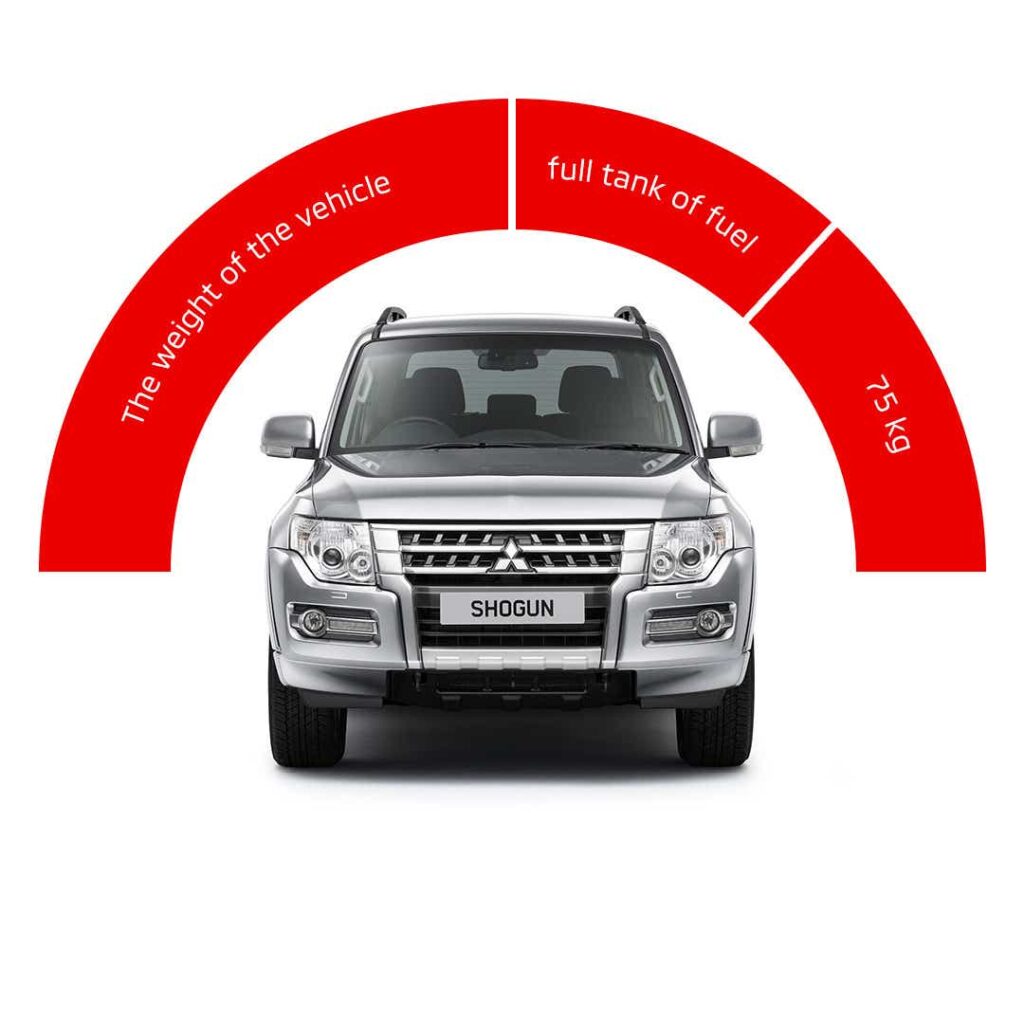
The 85% rule
In addition to the manufacturer’s stated Max. Towing Capacity figures it is recommended that the weight to be towed should not exceed 85% of the “kerb weight” of the towing vehicle. The “kerb weight” is defined as the weight of the vehicle plus a full tank of fuel and 75kg.
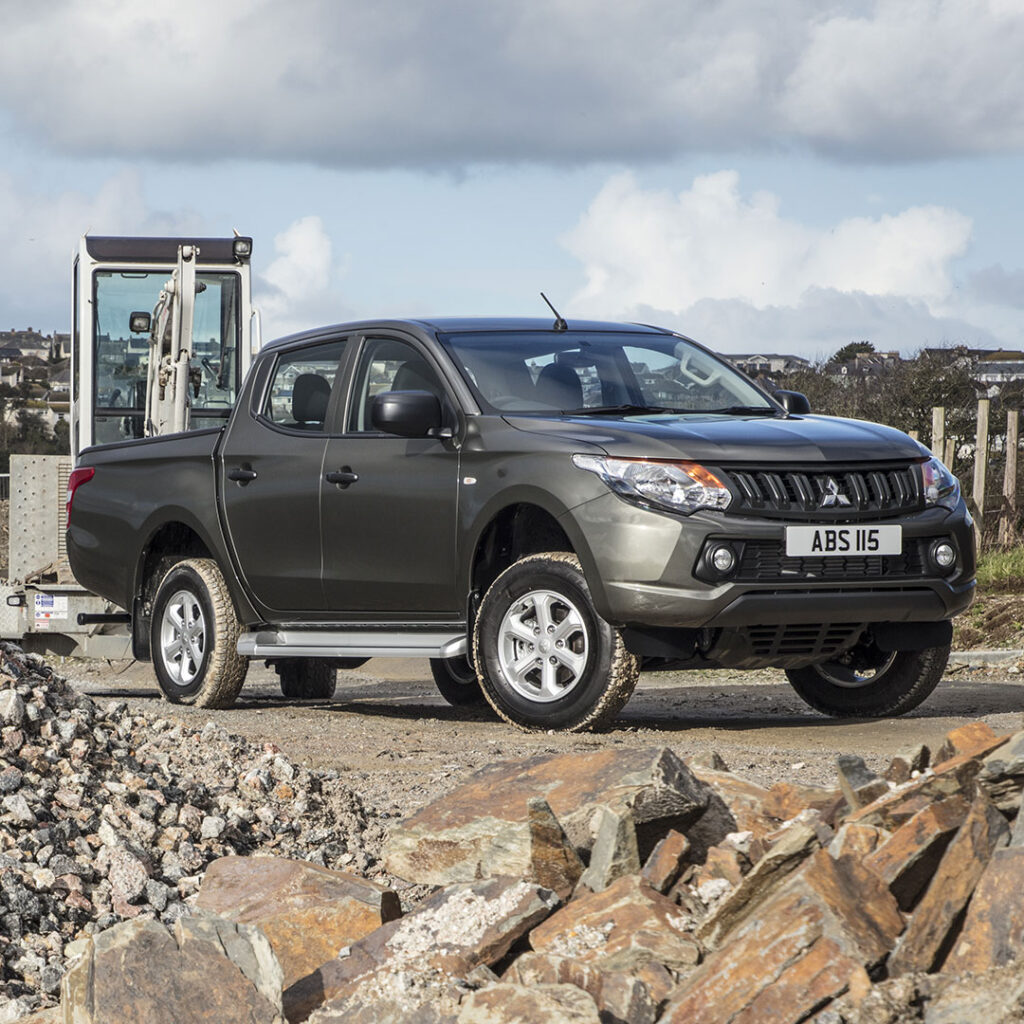
Loading up
The load must not project outside of the trailer as this can be very dangerous to other drivers and the stability of the trailer.
It’s dangerous and illegal for the load to stick out beyond the edges of the trailer. Distribute weight evenly as much as possible. Overloading one side or having excess weight toward the nose or tail of the trailer can seriously impact the stability of trailers.
Most trailers will have a stated “Recommended Nose Weight” which should be followed.
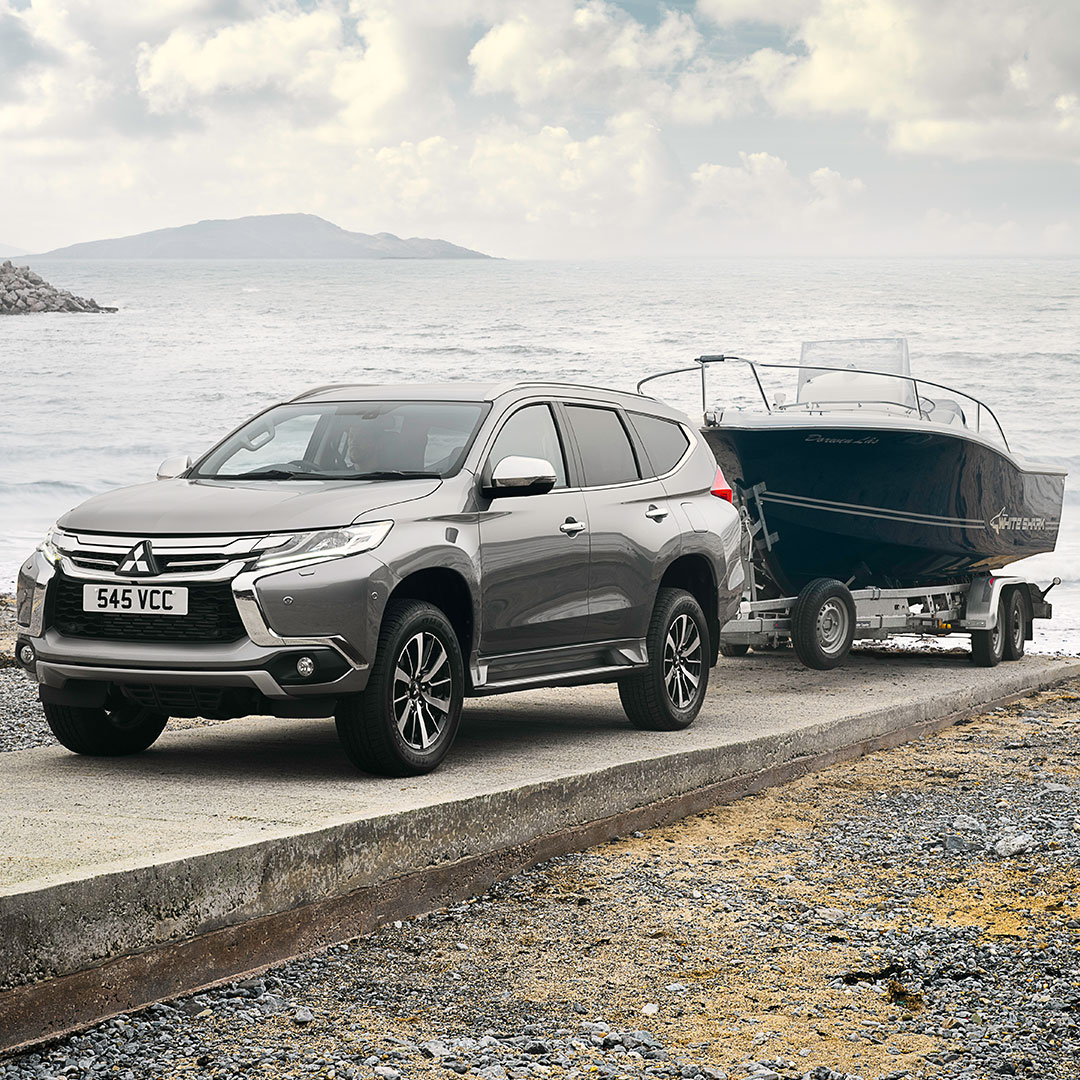
Attaching a trailer to the vehicle
The best advice is to have help. Two people can hitch a trailer easier than one, though you can do it by yourself. Trailers vary from model to model though most will attach in a standard way. Thoroughly read the manufacturer’s instructions prior to attempting to attach for the first time.
Load Safety
Unsecured loads can slide around causing a loss of stability, are likely to shoot forward when the brakes are applied and lighter items can even be lifted out of the trailer at higher speeds so make sure everything is as secure as possible.
Safety Checks
Ensure that wheel axles are not overloaded.
Transport Guidelines
There are strict guidelines on the transport of livestock that cover condition of the trailer that cover everything from condition to the number of available tethering points.
Staying safe on the road
Pulling a load inevitably impacts on the performance of your vehicle. Stopping distances increase, cornering and manoeuvres take longer and require extra care. Being familiar with how your vehicle behaves when towing is really worth the time and effort.
Environmental factors can impact on the driving experience much more noticeably, particularly strong cross-winds. Take note of the weather forecast and be just that little bit more careful.
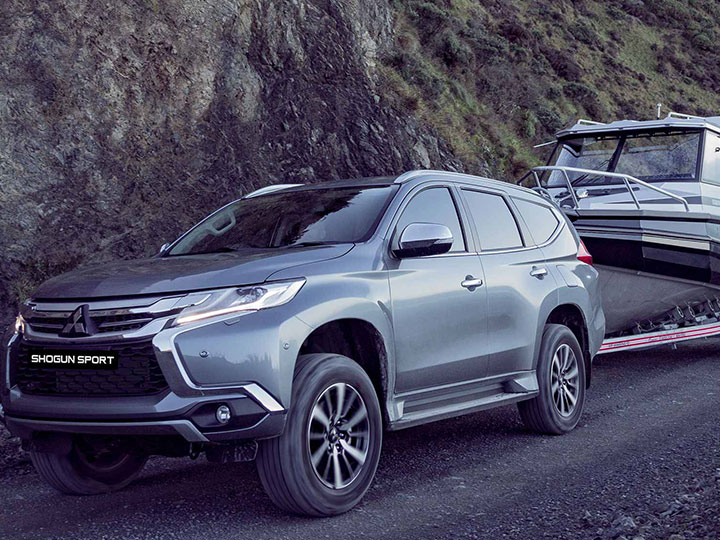
Driving at speed
National speed limits apply (in the UK) but on dual carriageways and motorways towing vehicles are limited to 60mph and required not to use the right-hand lane on motorways. Generally just remember that you have a heavier load than usual and that therefore it will take longer to stop.
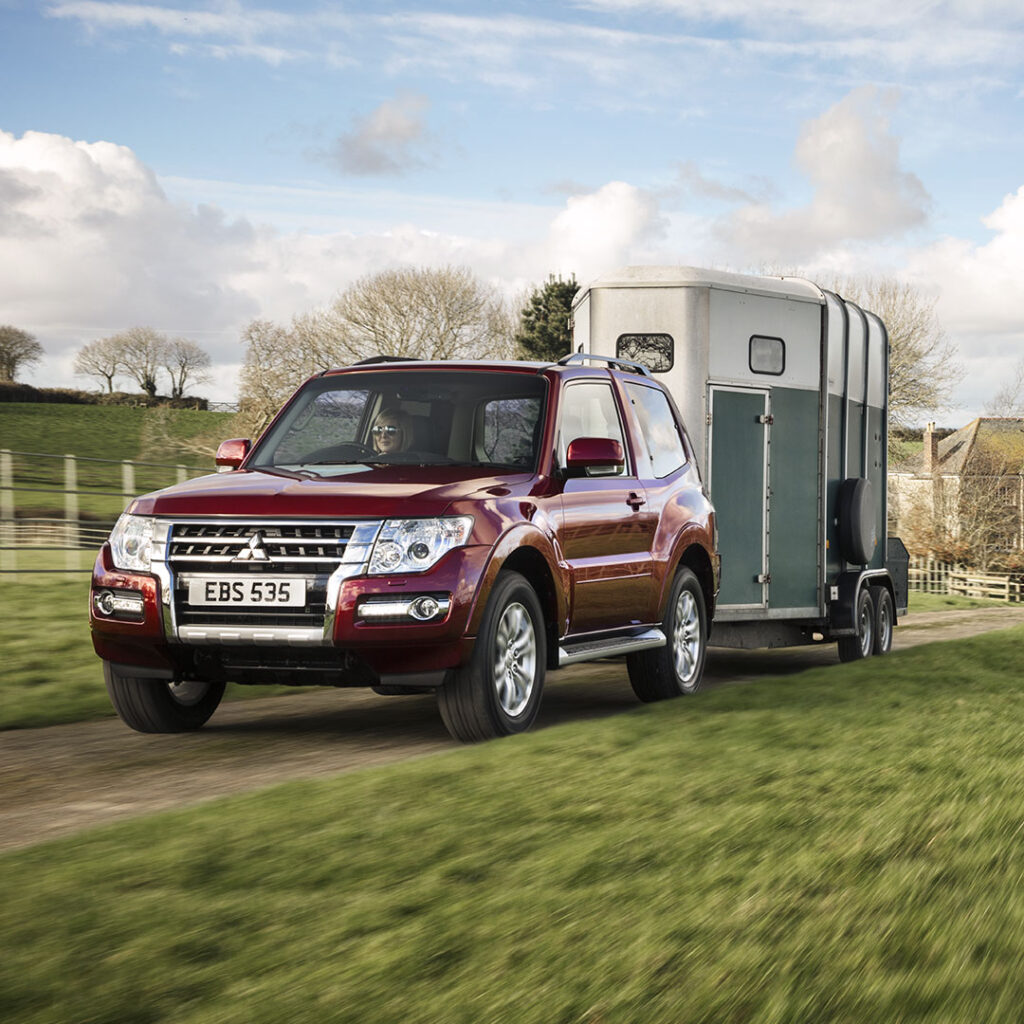
Snaking
The term “snaking” refers to when the article being towed moves out of line with the towing vehicle and begins to shift from side to side. Unless it is stopped snaking can easily cause a loss of control over the vehicle.
Braking
Avoid braking sharply especially on bends as the trailer momentum can cause you to jack-knife. Reduce speed well before a corner and then ease back onto the accelerator as you come out the other side.
1. What causes snaking
Snaking can be caused by incorrect load placement (usually too far to the rear), side winds, or instability in the balance of the trailer itself.
2. How to prevent snaking
When it occurs, snaking can be stopped by changing down a gear and taking both feet off the peddles, keeping the steering wheel straight and lightly applying the brakes if going downhill.
3. How not to prevent snaking
Do not attempt to accelerate out or try and beat the motion by steering as its more than likely that you’ll just make the problem worse. Keep the vehicle straight and slow down gently.
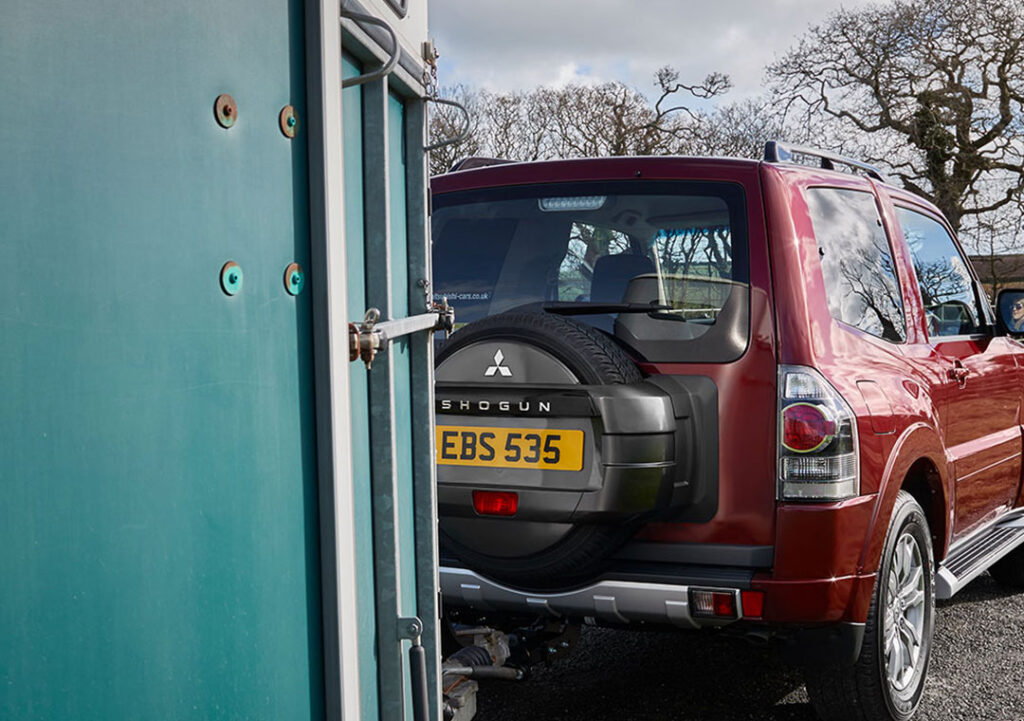
Stabilisers
It is also possible to purchase stabilisers to improve the stability of a trailer and these are particularly useful on high-sided trailers such as caravans and horse boxes. Stabilisers should not be considered a substitute for good loading and driving practice.
Tyres
Always check your trailer before every journey. Checks on tyre pressure and general condition are essential.
Owners Manual
Refer to the manufacturers instructions for information about service intervals and every day maintenance as this can be different for different types (such as commercial trailers, caravans, etc.)
Maintenance
Always ensure you keep up with the recommended maintenance and servicing of your trailer.
Our guide to reversing when towing
Reversing can be tricky when your towing. Our reversing guide aims to give you the main points your should be aware of when you need to reverse your towing vehicle.
1. Start with your vehicle and trailer straight
Make sure you have enough room to manoeuvre.
2. Always keep the angle of the trailer shallow relative to the towing vehicle
3. The more the trailer start to appear in one mirror, the more you should turn in the opposite direction
4. Reversing round corners
For reversing round corners you want to move very slowly, use your mirrors to see when the trailer starts to turn and ensure you begin straightening as soon as it does so that you so do not jack-knife and risk damaging either the trailer or your vehicle.
Top tip from Mitsubishi
If you get stuck in an awkward position such as the trailer bumping into the curb, the best thing to do is pull forward, don’t keep reversing!
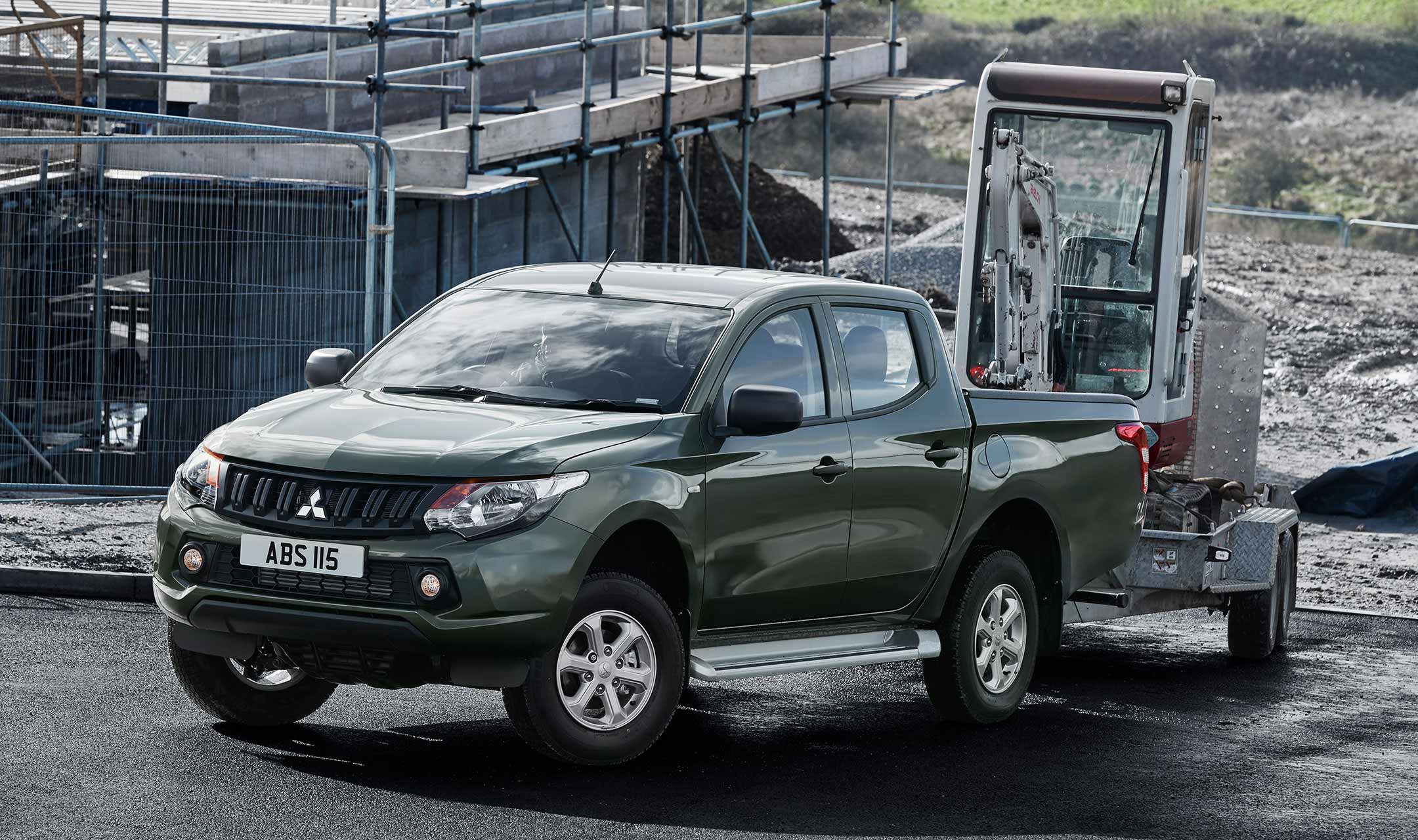
One more thing…
In a standard UK right-hand drive vehicle, reversing to the right is easier than to the left because you do not need to look across the passenger seat so whenever you can, reverse to the right.
Everything you need from a towing vehicle
At Mitsubishi our heritage in 4×4 cars and pickups is second to none and many of our cars can be used for towing, whether commercially or recreationally. Below you can see how our cars perform with:
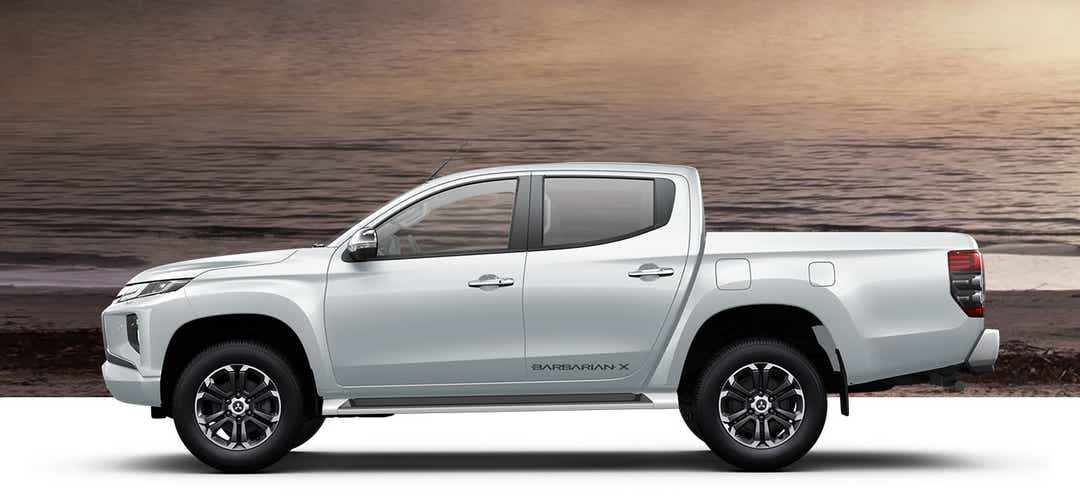
Mitsubishi L200
3,500 kg braked towing capacity
With the L200 Series 6 we have created the ultimate evolution. It boasts an impressive amount of muscle, with a total load capacity of 4,090 kg, the L200 Series 6 is ‘engineered beyond tough’.
1. TOWING CAPACITY IS FOR 20MY L200 ONLY.
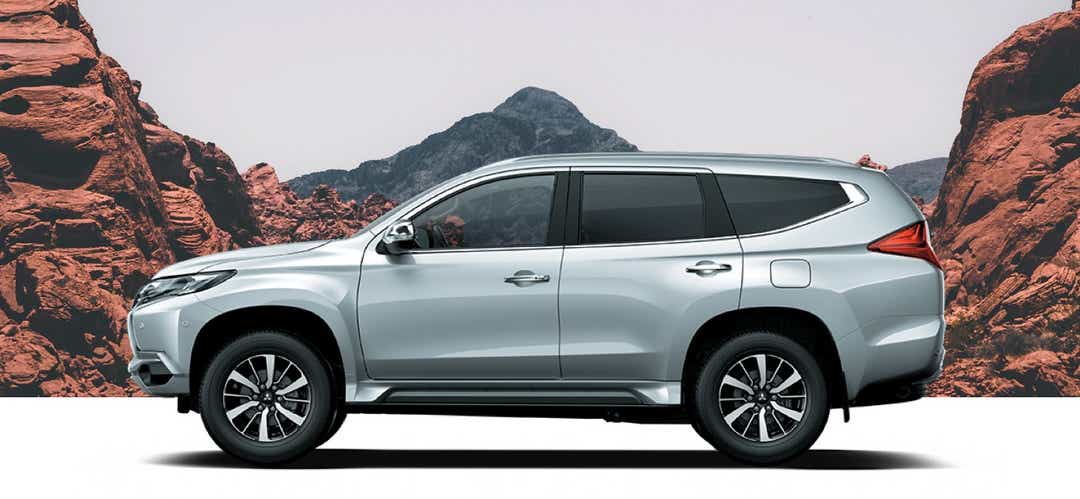
Mitsubishi Shogun Sport
3,100 kg braked towing capacity
Bringing all our 4×4 knowledge and a cavernous interior to hold the whole family, Shogun Sport fuses the poise and legacy of the Shogun with the off-road ability of the L200.
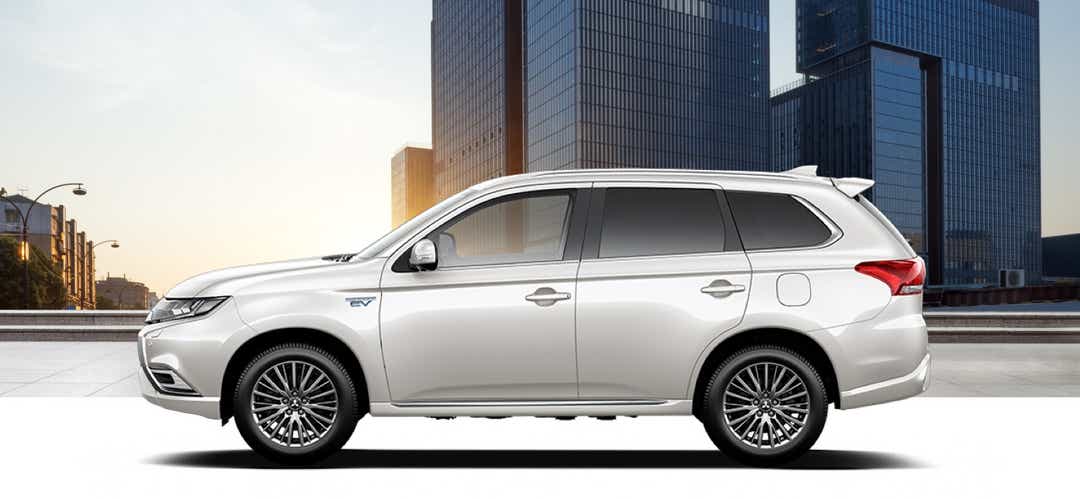
Mitsubishi Outlander PHEV
1,500 kg braked towing capacity
The Outlander PHEV is a pioneer in the mid-size SUV space. Capable of superb fuel economy whilst rising to the challenge when it’s time to leave the tarmac behind.
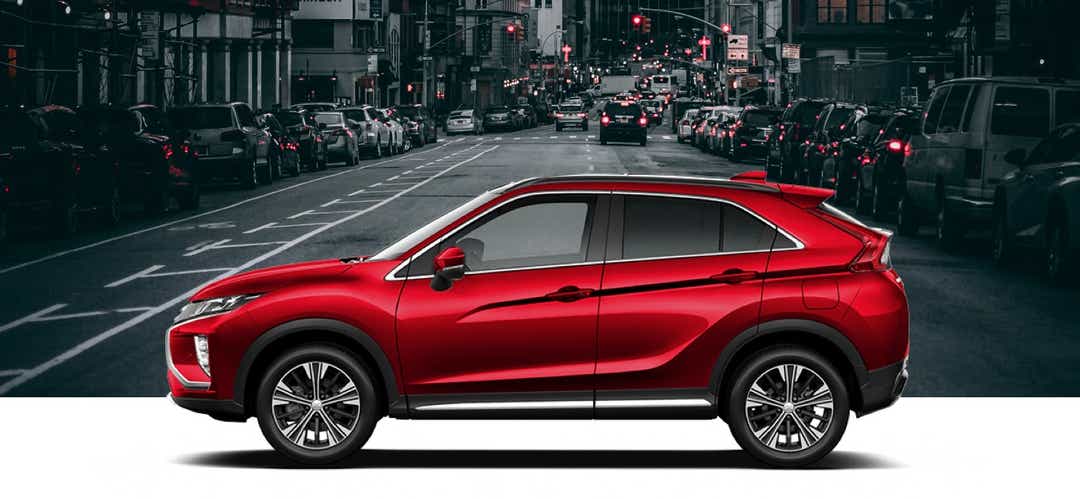
Eclipse Cross
1,600 kg braked towing capacity
Our brand new mid-size SUV, available in 4WD and 2WD. With our Super-All Wheel Control system the Eclipse Cross can switch modes to tackle all terrains and maximise fuel efficiency on the road.
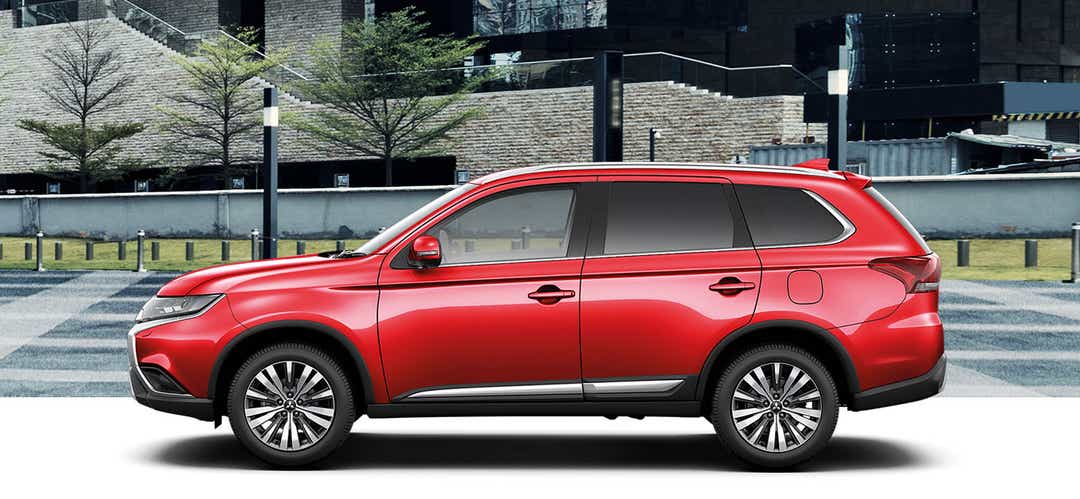
Mitsubishi Outlander Petrol
1,600 kg braked towing capacity
The Mitsubishi Outlander has adventure and freedom built into its DNA. Whether you’re hitching the trailer to haul furniture across town, taking the jet-skis to the lake or heading off into the sunset with the caravan in tow, the Outlander has you covered.
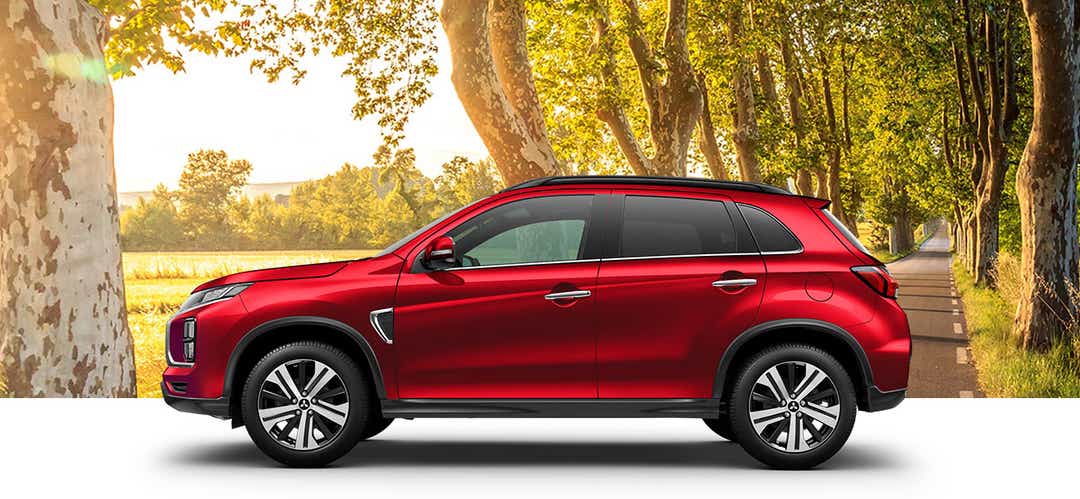
Mitsubishi ASX
1,300 kg brake towing capacity
The ASX offers pulling power above what you might expect from an urban crossover but we’ve designed it to be more than just a city car and for its size, on a par as good at towing as its big brothers.